Shopping Cart
No products in the cart.



₹7,000.00
Vastu Shastra (vāstu śāstra) is a traditional Hindu system of architecture which literally translates to “science of architecture.”[3] These are texts found on the Indian subcontinent that describe principles of design, layout, measurements, ground preparation, space arrangement, and spatial geometry. Vastu Shastras incorporate traditional Hindu and in some cases Buddhist beliefs. The designs are intended to integrate architecture with nature, the relative functions of various parts of the structure, and ancient beliefs utilizing geometric patterns (yantra), symmetry, and directional alignments.
Vastu Shastra is the textual part of Vastu Vidya, the latter being the broader knowledge about architecture and design theories from ancient India. Vastu Vidya knowledge is a collection of ideas and concepts, with or without the support of layout diagrams, that are not rigid. Rather, these ideas and concepts are models for the organization of space and from within a building or collection of buildings, based on their functions in relation to each other, their usage and to the overall fabric of the Vastu. Ancient Vastu Shastra principles include those for the design of Mandir (Hindu temples),[10] and the principles for the design and layout of houses, towns, cities, gardens, roads, waterworks, shops and other public areas.
| Number of Days | |
|---|---|
| Number of Pandits |
विवाह पश्चात सभी गृहस्थ दंपति की यह चिर-अभिलाषा रहती है कि उनके यहां सुसंतति का जन्म हो। उन्हें सृजन का सौभाग्य प्राप्त हो तथा सांसारिक जीवन में माता-पिता होने का गौरव प्राप्त हो। आचार-शास्त्र के प्रणेता महाराज मनु ने भी संतान प्राप्ति की इच्छा को तीन नैसर्गिक इच्छाओं में से एक माना है तथा संतान […]
Navagraha means “nine celestial bodies” in Sanskrit and are nine astronomical bodies as well as mythical deities in Hinduism and Hindu astrology. These are the Sun, the Moon, Mars, Mercury, Jupiter, Venus, and Saturn, and the ascending (Rahu) and descending (Ketu) lunar nodes (which appears as Shadow Planets during Surya Grahan and Chandra Grahan).
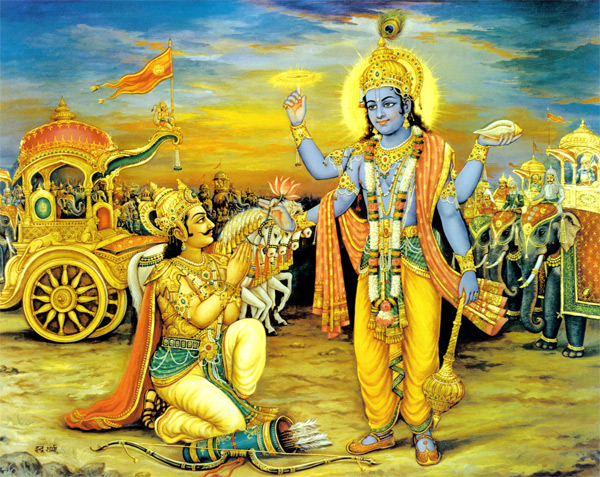
श्रीमद भागवत कथा श्रवण से जन्म जन्मांतर के विकार नष्ट होकर प्राणी मात्र का लौकिक व आध्यात्मिक विकास होता है। जहां अन्य युगों में धर्म लाभ एवं मोक्ष प्राप्ति के लिए कड़े प्रयास करने पड़ते हैं, कलियुग में कथा सुनने मात्र से व्यक्ति भवसागर से पार हो जाता है। सोया हुआ ज्ञान वैराग्य कथा श्रवण […]
₹7,000.00
Vastu Shastra (vāstu śāstra) is a traditional Hindu system of architecture which literally translates to “science of architecture.”[3] These are texts found on the Indian subcontinent that describe principles of design, layout, measurements, ground preparation, space arrangement, and spatial geometry. Vastu Shastras incorporate traditional Hindu and in some cases Buddhist beliefs. The designs are intended to integrate architecture with nature, the relative functions of various parts of the structure, and ancient beliefs utilizing geometric patterns (yantra), symmetry, and directional alignments.
Vastu Shastra is the textual part of Vastu Vidya, the latter being the broader knowledge about architecture and design theories from ancient India. Vastu Vidya knowledge is a collection of ideas and concepts, with or without the support of layout diagrams, that are not rigid. Rather, these ideas and concepts are models for the organization of space and from within a building or collection of buildings, based on their functions in relation to each other, their usage and to the overall fabric of the Vastu. Ancient Vastu Shastra principles include those for the design of Mandir (Hindu temples),[10] and the principles for the design and layout of houses, towns, cities, gardens, roads, waterworks, shops and other public areas.
| Number of Days | |
|---|---|
| Number of Pandits |
There are no reviews yet.
श्रीमद भागवत कथा श्रवण से जन्म जन्मांतर के विकार नष्ट होकर प्राणी मात्र का लौकिक व आध्यात्मिक विकास होता है। जहां अन्य युगों में धर्म लाभ एवं मोक्ष प्राप्ति के लिए कड़े प्रयास करने पड़ते हैं, कलियुग में कथा सुनने मात्र से व्यक्ति भवसागर से पार हो जाता है। सोया हुआ ज्ञान वैराग्य कथा श्रवण […]
Navagraha means “nine celestial bodies” in Sanskrit and are nine astronomical bodies as well as mythical deities in Hinduism and Hindu astrology. These are the Sun, the Moon, Mars, Mercury, Jupiter, Venus, and Saturn, and the ascending (Rahu) and descending (Ketu) lunar nodes (which appears as Shadow Planets during Surya Grahan and Chandra Grahan).
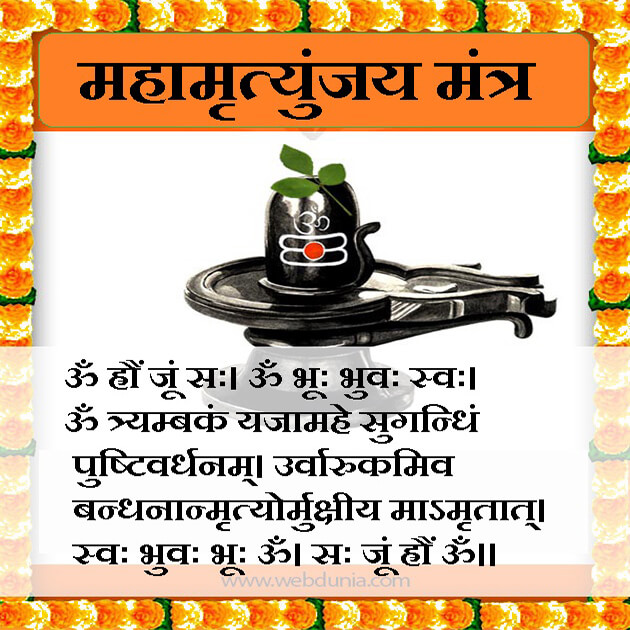
Lord Shiva is one of the main deities of Hindu religion and millions of Hindus from all over the world are devoted to his worship to seek his blessings. The holiest shrines of Lord Shiva in India are the Jyotirlinga temples at Varanasi, Nashik, Ujjain, Rameshwaram and many other locations. The main aim of the […]


Reviews
There are no reviews yet.