

Puja
Maatangi Prayog (Abhishtha Vyakti Vishesh)
₹25,000.00
Description
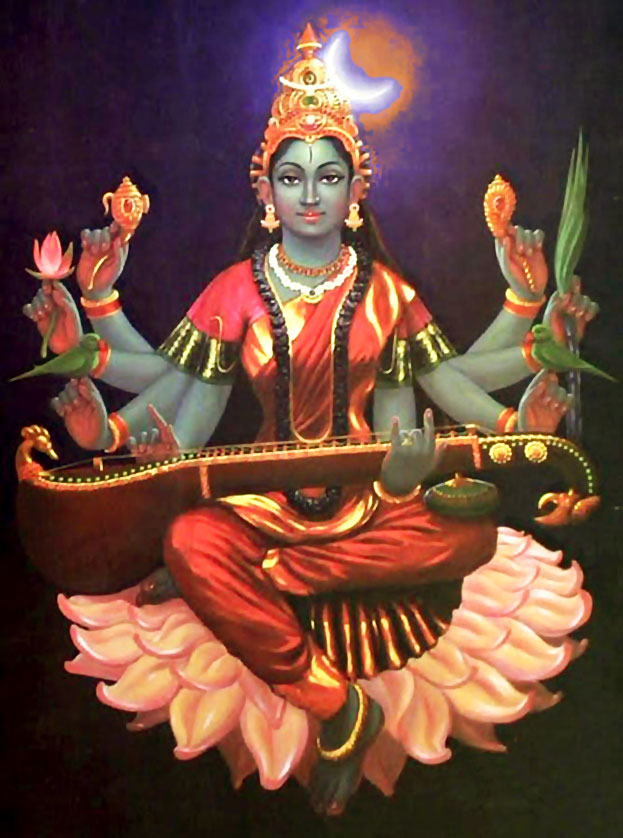
Matangi is one of the Mahavidyas, ten Tantric goddesses and a ferocious aspect of Devi, the Hindu Divine Mother. She is a form of Parvati and she governs speech, music, knowledge and the arts. Her worship is prescribed to acquire supernatural powers, especially gaining control over enemies, attracting people to oneself, acquiring mastery over the arts and gaining supreme knowledge.
Matangi is often associated with pollution, inauspiciousness and the periphery of Hindu society, which is embodied in her most popular form, known as Uchchhishta-Chandalini or Uchchhishta-Matangini. She is described as an outcast (Chandalini) and offered left-over or partially eaten food (Uchchhishta) with unwashed hands or food after eating, both of which are considered to be impure in classical Hinduism.
Matangi is represented as emerald green in colour. While Uchchhishta-Matangini carries a noose, sword, goad, and club, her other well-known form, Raja-Matangi, plays the veena and is often pictured with a parrot. Swami Charananandam, having siddhi for Raja Matangi, claims her to be kind and giver of all wishes when prayed upon with madhuk pushpa (sanskrit for mahua flowers) specially in present kalyuga. She is best prayed upon with dhyan describing her body colour akin to dark clouds, sitting on gem-studded throne, listening to the voice of parrot, attired in red clothes; in mild drunken state sitting on flower and seen playing veena is Matangi. One should pray to her using vakshyaman methodology, praying to Matang Rishi in the beginning, for best results.
Additional information
| Number of Days | |
|---|---|
| Number of Pandits |
Related Puja
Chinnamasta Prayog (Abhishtha Vyakti Vishesh)
शोक ताप संताप होंगे छिन्न-भिन्न जीवन के परम सत्य की होगी प्राप्ति संसार का हर्रेक सुख आपकी मुट्ठी में होगा अपार सफलताओं के शिखर पर जा पहुंचेंगे आप जीवन मरण दोनों से हो जायेंगे पार “महाविद्या छिन्नमस्ता” एक बार देवी पार्वती हिमालय भ्रमण कर रही थी उनके साथ उनकी दो सहचरियां जया और विजया भी […]
Das Mahavidya Vedokatya (Abhishtha Vyakti Vishesh)
शक्ति की उपासना कर सिद्धि को ग्रहण करने के इच्छुक तो बहुत लोग हैं, लेकिन पूरे समर्पण और श्रद्धा के साथ तप कर सिद्धि को प्राप्त करने का साहस सभी के पास नहीं होता। शक्ति के विभिन्न स्वरूपों की आराधना कर उन्हें प्रसन्न करने के लिए अघोरी, साधु और भौतिकवाद से दूर हो चुके लोग […]
Lalita Tripur Sundari Prayog
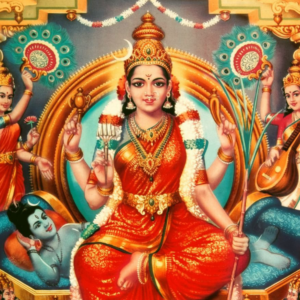
ललिता माता का मंत्र समस्त सुखों को प्रदान करने वाला मंत्र है। पंचमी तिथि के दिन आदिशक्ति त्रिपुर सुंदरी जगत जननी ललिता माता के दर्शन से मनुष्य के सभी कष्टों का निवारण स्वत: ही हो जाता है। ललिता माता की पूजा-अर्चना एवं व्रत मनुष्य को शक्ति प्रदान करते हैं। प्रतिदिन अथवा पंचमी के दिन ललिता […]
Puja
Maatangi Prayog (Abhishtha Vyakti Vishesh)
₹25,000.00
Description
Matangi is one of the Mahavidyas, ten Tantric goddesses and a ferocious aspect of Devi, the Hindu Divine Mother. She is a form of Parvati and she governs speech, music, knowledge and the arts. Her worship is prescribed to acquire supernatural powers, especially gaining control over enemies, attracting people to oneself, acquiring mastery over the arts and gaining supreme knowledge.
Matangi is often associated with pollution, inauspiciousness and the periphery of Hindu society, which is embodied in her most popular form, known as Uchchhishta-Chandalini or Uchchhishta-Matangini. She is described as an outcast (Chandalini) and offered left-over or partially eaten food (Uchchhishta) with unwashed hands or food after eating, both of which are considered to be impure in classical Hinduism.
Matangi is represented as emerald green in colour. While Uchchhishta-Matangini carries a noose, sword, goad, and club, her other well-known form, Raja-Matangi, plays the veena and is often pictured with a parrot. Swami Charananandam, having siddhi for Raja Matangi, claims her to be kind and giver of all wishes when prayed upon with madhuk pushpa (sanskrit for mahua flowers) specially in present kalyuga. She is best prayed upon with dhyan describing her body colour akin to dark clouds, sitting on gem-studded throne, listening to the voice of parrot, attired in red clothes; in mild drunken state sitting on flower and seen playing veena is Matangi. One should pray to her using vakshyaman methodology, praying to Matang Rishi in the beginning, for best results.
Additional information
| Number of Days | |
|---|---|
| Number of Pandits |
Reviews
There are no reviews yet.
Related Puja
Vipreet Pratyangira Prayog
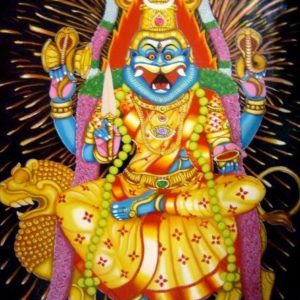
रक्षा व शत्रुनाश में बेजोड़ शत्रु की प्रबल से प्रबलतम तांत्रिक क्रियाओं को वापस लौटने वाली एवं रक्षा करने वाली दिव्य शक्ति है प्रत्यंगिरा। विरोधियों/दुश्मनों के प्रयोग तथा किये-कराये को नाश करने के लिए इस तंत्र का प्रयोग किया जाता है। यह स्वत: सिद्ध है। अत: इसके प्रयोग के लिए इसे पुन: सिद्ध करने की […]
Kaali Prayog (Abhishtha Vyakti Vishesh)
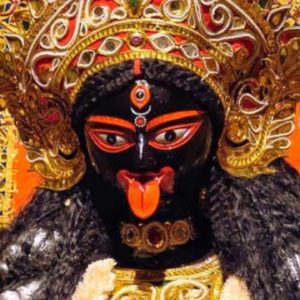
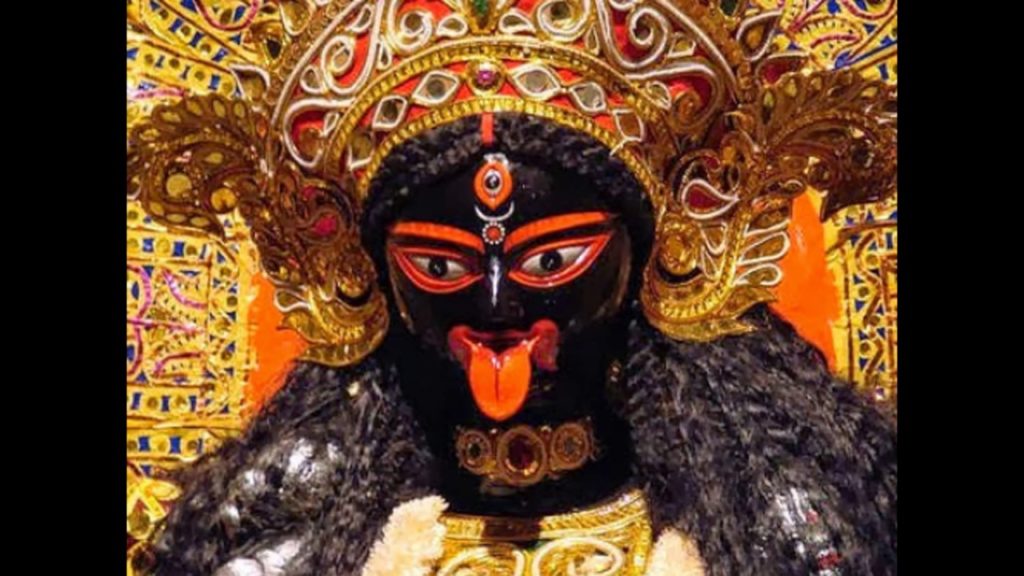
आम जनमानस के मन में अकसर मां काली की रूपरेखा एक ऐसी देवी के रूप में बनी है जो भयंकारी रूपधारिणी हैं। मां काली का स्वरूप अवश्य उग्र हैं परंतु यह भी सत्य है कि कलयुग में अत्यधिक जागृत दैवीय शक्तियों में महाकाली का परम स्थान हैं। एक बार प्रसन्न होने पर मां अपने भक्तों […]
Lalita Tripur Sundari Prayog
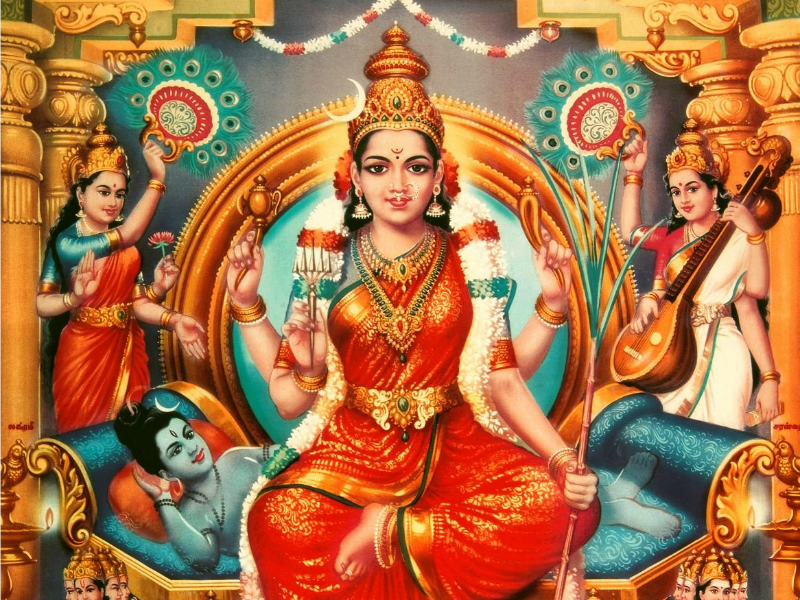
ललिता माता का मंत्र समस्त सुखों को प्रदान करने वाला मंत्र है। पंचमी तिथि के दिन आदिशक्ति त्रिपुर सुंदरी जगत जननी ललिता माता के दर्शन से मनुष्य के सभी कष्टों का निवारण स्वत: ही हो जाता है। ललिता माता की पूजा-अर्चना एवं व्रत मनुष्य को शक्ति प्रदान करते हैं। प्रतिदिन अथवा पंचमी के दिन ललिता […]
Reviews
There are no reviews yet.