Shopping Cart
No products in the cart.


₹14,000.00
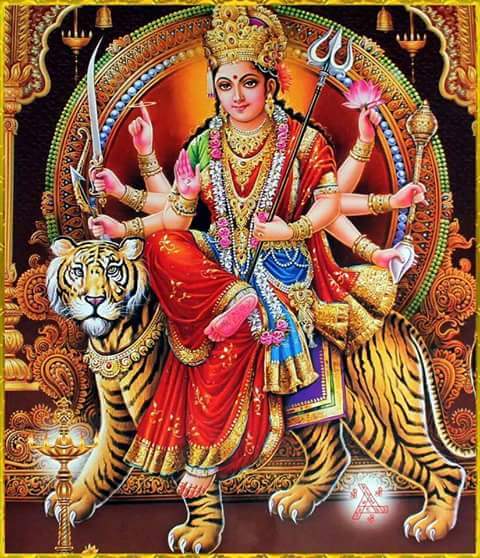
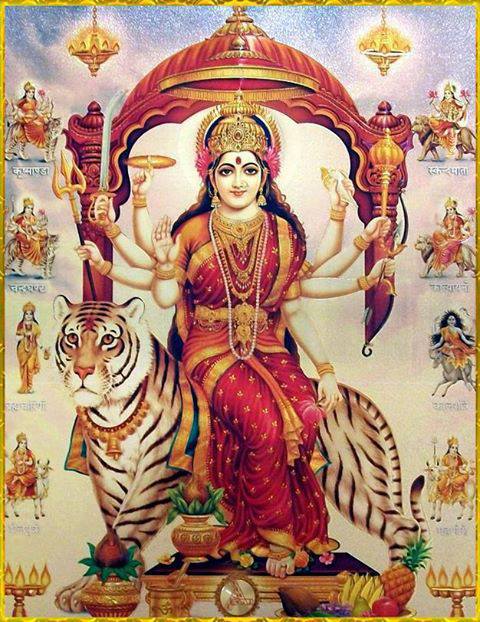
The Devi Bhagavata Purana (Sanskrit: देवी भागवतपुराण, Devī Bhāgavatapurāṇa), also known as the Shrimad Devi Bhagavatam and the Devi Bhagavatam, Śrīmad Bhāgavata Mahā Purāṇa is a Sanskrit text that belongs to the Purana-genre of Hindu literature. The text is considered a Mahapurana (major Purana) of India. According to some of the Hindus, it is the real Bhagavata Mahapurana.
The text consists of twelve Skandha (sections) with 318 chapters. Along with Devi Mahatmya, it is one of the most important works in Shaktism, a tradition within Hinduism that reveres Devi or Shakti (Goddess) as the primordial creator of the universe and the Brahman (ultimate truth and reality). It celebrates the divine feminine as the origin of all existence, the creator, the preserver and the destroyer of everything, as well as the one who empowers spiritual liberation. While all major Puranas of Hinduism mention and revere the Goddess, this text centres around her as the primary divinity. The underlying philosophy of this text is Advaita Vedanta-style monism combined with devotional worship of Shakti (feminine power).
| Number of Days | |
|---|---|
| Number of Pandits |
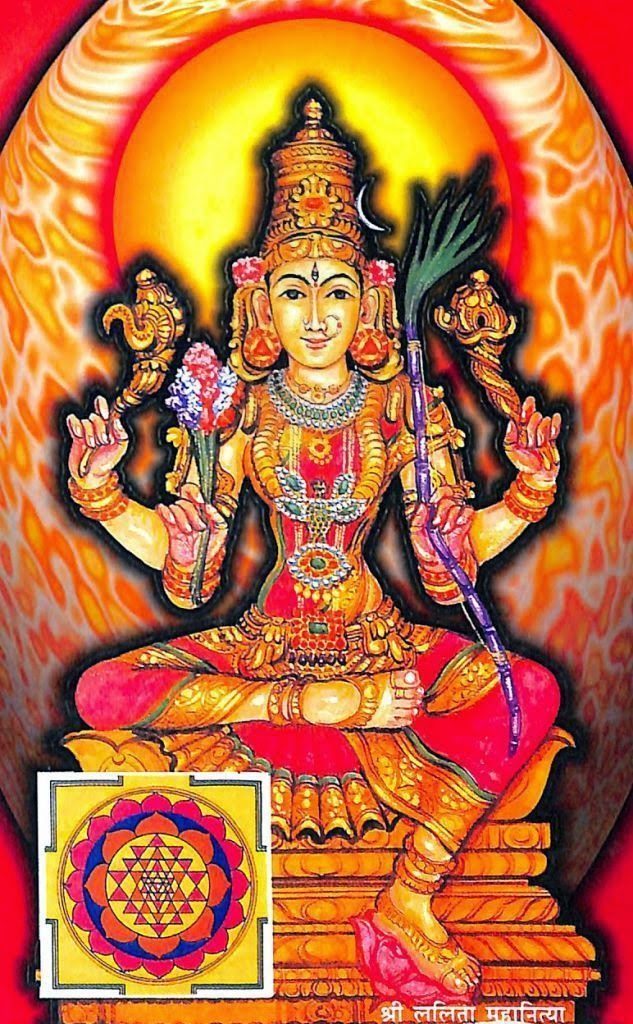
ललिता माता का मंत्र समस्त सुखों को प्रदान करने वाला मंत्र है। पंचमी तिथि के दिन आदिशक्ति त्रिपुर सुंदरी जगत जननी ललिता माता के दर्शन से मनुष्य के सभी कष्टों का निवारण स्वत: ही हो जाता है। ललिता माता की पूजा-अर्चना एवं व्रत मनुष्य को शक्ति प्रदान करते हैं। प्रतिदिन अथवा पंचमी के दिन ललिता […]
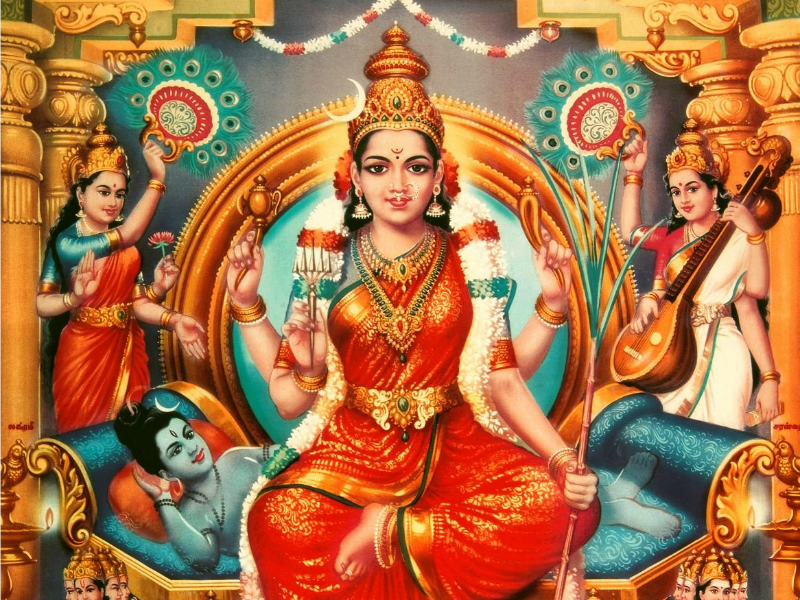
षोडशी माहेश्वरी शक्ति की सबसे मनोहर श्रीविग्रहवाली सिद्ध देवी हैं. महाविद्याओं में इनका चौथा स्थान है। सोलह अक्षरों के मन्त्रवाली इन देवी की अंगकान्ति उदीयमान सूर्यमण्डल की आभा की भाँति है। इनकी चार भुजाएँ और तीन नेत्र है। ये शान्त मुद्रा में लेटे हुए सदाशिव पर स्थित कमल के आसन पर आसीन है। इनके चारों […]
दिव्योर्वताम सः मनस्विता: संकलनाम । त्रयी शक्ति ते त्रिपुरे घोरा छिन्न्मस्तिके च।। > देवी, अप्सरा, यक्षिणी, डाकिनी, शाकिनी और पिशाचिनी आदि में सबसे सात्विक और धर्म का मार्ग है ‘देवी’ की पूजा, साधना और प्रार्थना करना। कैलाश पर्वत के ध्यानी की अर्धांगिनी सती ने दूसरा जन्म पार्वती के रूप में लिया था। इनके दो पुत्र […]
₹14,000.00
The Devi Bhagavata Purana (Sanskrit: देवी भागवतपुराण, Devī Bhāgavatapurāṇa), also known as the Shrimad Devi Bhagavatam and the Devi Bhagavatam, Śrīmad Bhāgavata Mahā Purāṇa is a Sanskrit text that belongs to the Purana-genre of Hindu literature. The text is considered a Mahapurana (major Purana) of India. According to some of the Hindus, it is the real Bhagavata Mahapurana.
The text consists of twelve Skandha (sections) with 318 chapters. Along with Devi Mahatmya, it is one of the most important works in Shaktism, a tradition within Hinduism that reveres Devi or Shakti (Goddess) as the primordial creator of the universe and the Brahman (ultimate truth and reality). It celebrates the divine feminine as the origin of all existence, the creator, the preserver and the destroyer of everything, as well as the one who empowers spiritual liberation. While all major Puranas of Hinduism mention and revere the Goddess, this text centres around her as the primary divinity. The underlying philosophy of this text is Advaita Vedanta-style monism combined with devotional worship of Shakti (feminine power).
| Number of Days | |
|---|---|
| Number of Pandits |
There are no reviews yet.
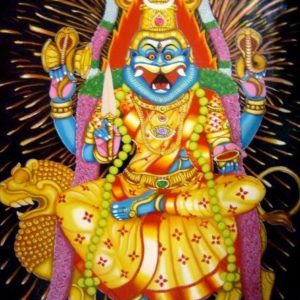
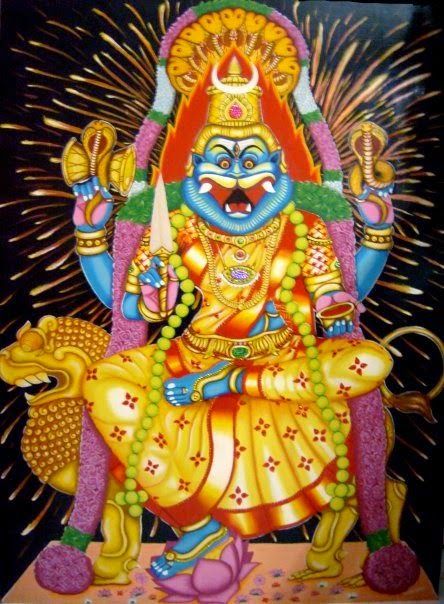
रक्षा व शत्रुनाश में बेजोड़ शत्रु की प्रबल से प्रबलतम तांत्रिक क्रियाओं को वापस लौटने वाली एवं रक्षा करने वाली दिव्य शक्ति है प्रत्यंगिरा। विरोधियों/दुश्मनों के प्रयोग तथा किये-कराये को नाश करने के लिए इस तंत्र का प्रयोग किया जाता है। यह स्वत: सिद्ध है। अत: इसके प्रयोग के लिए इसे पुन: सिद्ध करने की […]
षोडशी माहेश्वरी शक्ति की सबसे मनोहर श्रीविग्रहवाली सिद्ध देवी हैं. महाविद्याओं में इनका चौथा स्थान है। सोलह अक्षरों के मन्त्रवाली इन देवी की अंगकान्ति उदीयमान सूर्यमण्डल की आभा की भाँति है। इनकी चार भुजाएँ और तीन नेत्र है। ये शान्त मुद्रा में लेटे हुए सदाशिव पर स्थित कमल के आसन पर आसीन है। इनके चारों […]
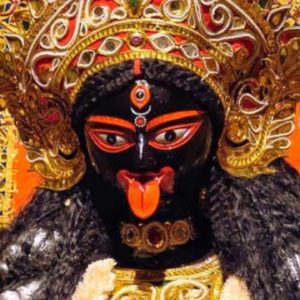
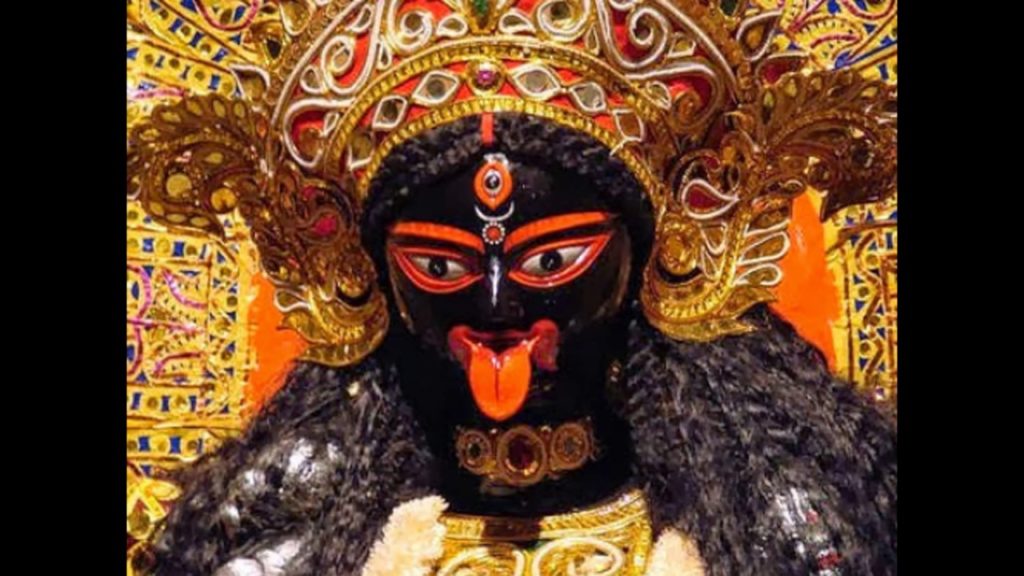
आम जनमानस के मन में अकसर मां काली की रूपरेखा एक ऐसी देवी के रूप में बनी है जो भयंकारी रूपधारिणी हैं। मां काली का स्वरूप अवश्य उग्र हैं परंतु यह भी सत्य है कि कलयुग में अत्यधिक जागृत दैवीय शक्तियों में महाकाली का परम स्थान हैं। एक बार प्रसन्न होने पर मां अपने भक्तों […]
Reviews
There are no reviews yet.