Shopping Cart
No products in the cart.


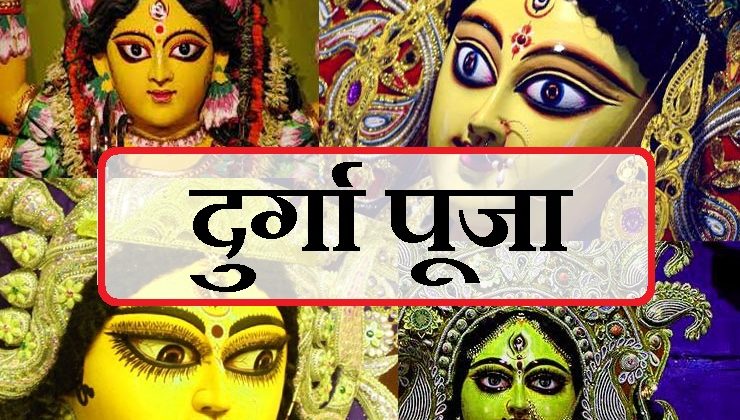
Navaratri, Durga Puja, or whatever name you call them, the hustle and bustle seen across the country in these nine days turns the atmosphere and hearts devotional. Among all these, the most attractive tradition that catches the eye is West Bengal’s Durga Puja. … In front of the eyes, the grand pandals, the sanctity of worship, the canopy of colors, goddesses with radiant faces, sindoor play, dhunuchi dance, and much more such divine and unearthly aspects that cannot be expressed in words.
The grand and special pandals make Kolkata and West Bengal distinctive during Navaratri. The entire atmosphere during this festival is colored in the hue of Goddess Durga’s power. For Bengali Hindus, there is no festival bigger than Durga Puja.
Devi’s Idol: During Navaratri in Kolkata, Goddess Durga’s form as Mahishasuramardini is worshipped. The idols of Durga are crafted in pandals depicting the slaying of Mahishasura. Alongside Durga, idols of other deities are also created. This entire presentation is known as ‘chala’. The goddess holds a trident and beneath her feet lies the demon named Mahishasura.
Behind the goddess, her vehicle is a lion. Alongside are Saraswati and Kartikeya on the right, and Lakshmi and Ganesha on the left. Additionally, there is an image or picture of Shiva on the shield.
Chokhudan: In Kolkata, the most ancient tradition related to Durga Puja is Chokhudan, during which the goddess’s eyes are painted. It takes 3 to 4 months to make a ‘chala’. The eyes of Durga are painted at the end.
Importance of Ashtami: In Kolkata, Ashtami is celebrated with Pushpanjali. On this day, everyone offers flowers to Durga. This act is called ‘Pushpanjali’ to Durga. Bengalis, no matter where they reside, wake up early on Ashtami to offer flowers to Durga.
Dual Puja: The festival of Durga in Kolkata is not limited only to pandals. People here perform two types of Durga Puja. One is ‘para’ where Durga Puja is celebrated on a large scale, and the other is ‘barir’ which is celebrated at homes in the northern and southern regions of Kolkata.
Kumari Puja: During the entire Puja in Kolkata, Goddess Durga is worshipped in various forms, among which the most famous is Kumari. During this time, the Kumari (young girl) is worshipped in front of the goddess. This form of the goddess’s worship is considered the purest and most sacred. Girls aged 1 to 16 are chosen for this worship, and their worship is accompanied by Aarti.
Evening Aarti: Evening Aarti holds special importance during this time. In Kolkata, the splendor of the evening Aarti is so radiant and beautiful that people come from far and wide to witness it. In traditional Bengali attire, people enhance the grandeur and beauty of this worship. The atmosphere is filled with celebration.
Sindoor Khela: On the day of Dashami, women play Sindoor Khela (vermillion play). They apply vermillion to each other and this marks the end of the entire festival, which begins preparations months in advance.
Dhunuchi Dance: Dhunuchi dance is essentially a dance of power. In Bengali Puja tradition, this dance is performed to enhance the power and energy of Goddess Bhavani. Coconut husks and resin (cocunut coir) and incense are placed in the Dhunuchi. The idols of the goddess are worshiped by lighting the Durga’s.
Leave a Comment